
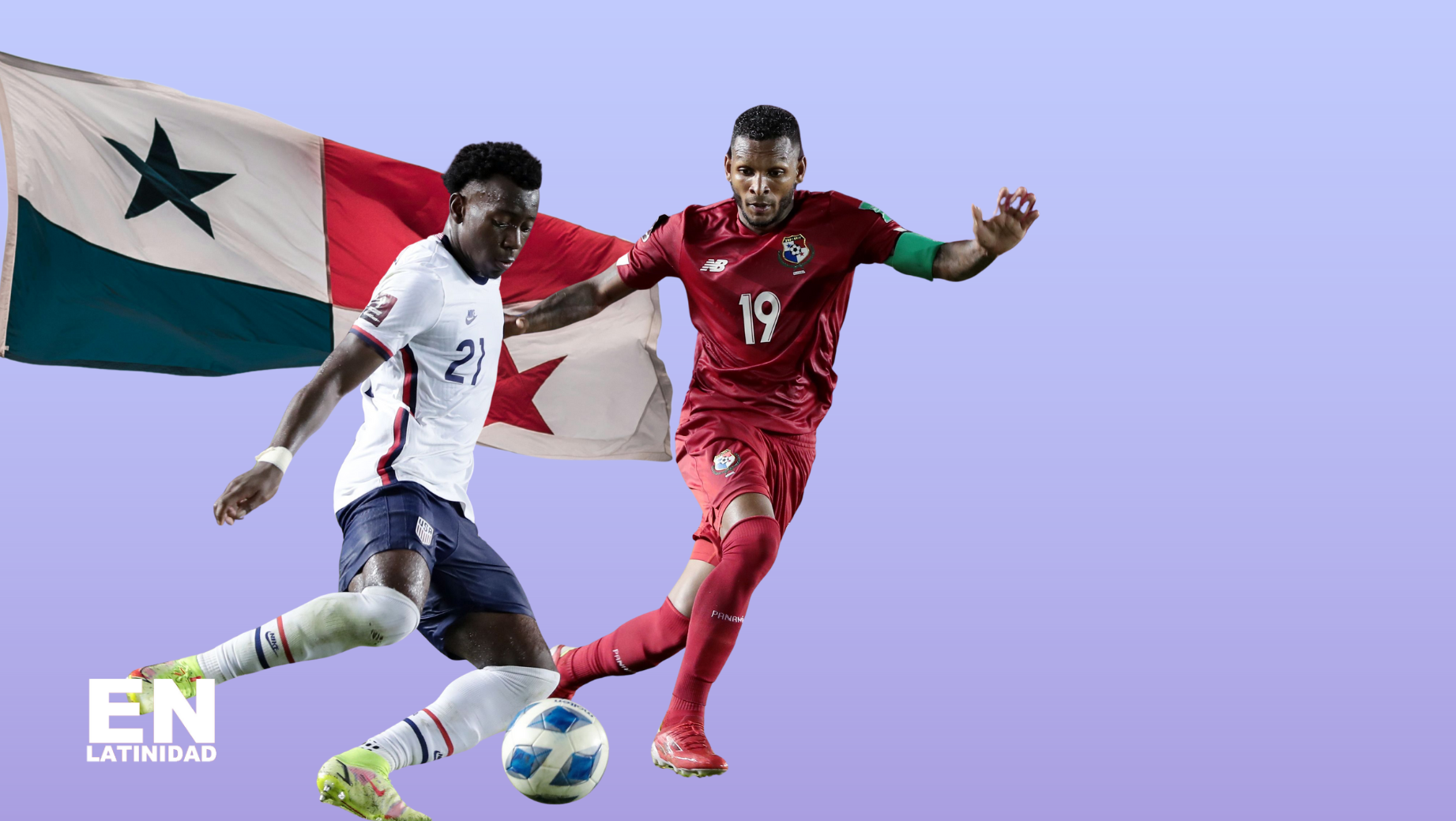
Panama has officially secured its place in the 2026 FIFA World Cup, marking a historic and emotional moment for the nation and its footballing community. The qualification came after a decisive 3–0 victory over El Salvador at Estadio Rommel Fernández, where Panama delivered one of its most confident performances of the campaign. Goals from César Blackman, Éric Davis, and José Luis Rodríguez sealed the result, ensuring Panama topped its CONCACAF Final Round group and earned a direct berth to the tournament.
This achievement represents Panama’s second-ever appearance at a men’s World Cup, the first being in 2018. For many fans, players, and officials, the return to the global stage signifies not only sporting excellence but a deeper national triumph—proof that years of investment, youth development, and competitive experience have elevated the country into a stronger footballing era. The victory sparked celebrations across Panama, with thousands taking to the streets waving flags, singing, and expressing collective pride. Government leaders and public figures issued messages of unity, urging the country to celebrate peacefully while recognizing the significance of the qualification as a milestone for the nation.
Panama’s successful campaign also holds weight within the broader CONCACAF region. In a competitive qualifying cycle, Panama emerged as the only Central American nation to secure a direct spot, joining Haiti and Curaçao as the region’s additional qualifiers beyond the host countries. For a team once viewed as an underdog, Panama’s rise demonstrates a shift in regional football power and showcases the impact of strategic development, consistent coaching, and a generation of players seasoned in international competition.
With qualification secured, attention now turns to what comes next. The expanded 2026 World Cup—hosted jointly by the United States, Mexico, and Canada—presents new opportunities for nations like Panama to advance deeper into the tournament. Expectations among fans are high, fueled by a belief that this team, more mature and disciplined than its 2018 roster, has the potential to make a meaningful impact on the world stage. Preparations will intensify in the months ahead as Panama looks to refine its squad, strengthen its competitive edge, and build a strategy capable of facing some of the strongest teams in global football.
For now, Panama celebrates. The qualification represents more than a sporting victory—it is a unifying moment of national pride, a testament to perseverance, and a reminder of how sport can bring a country together. As excitement builds toward 2026, Panamanians can look ahead with hope, confidence, and the joy of knowing that their team will once again compete among the world’s best.