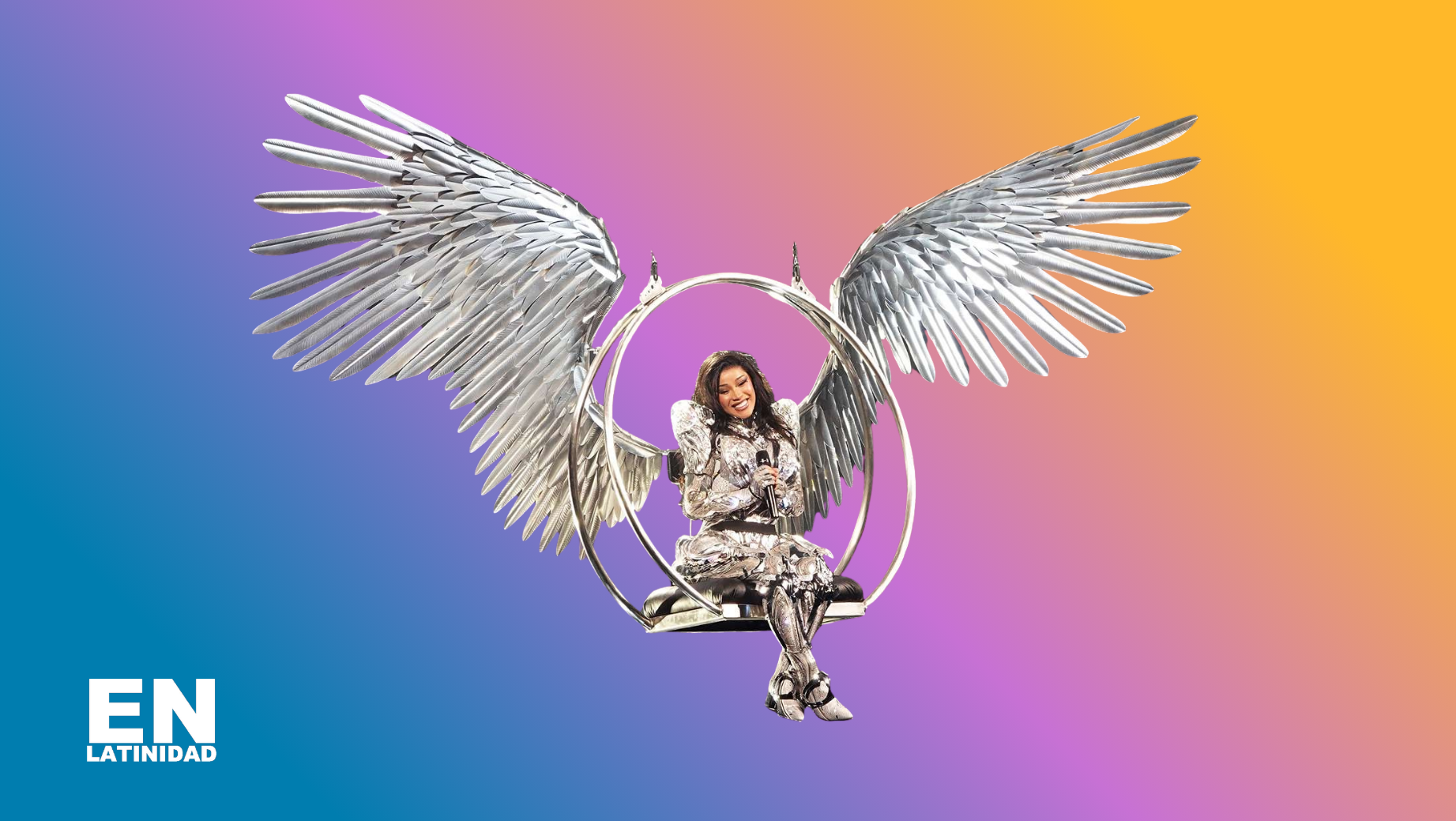
In a historic feat that cements her legacy far beyond chart-topping singles, Cardi B has reportedly become the first female rapper to sell out 33 consecutive shows on her debut tour across the United States. This milestone is not just about numbers—it’s about cultural power, identity, and a redefining of what global stardom looks like in hip-hop today.
Cardi has long referred to herself as the “trap Selena,” invoking the legacy of Selena Quintanilla; a comparison that once felt aspirational but now reads as prophetic. Like Selena, Cardi embodies a crossover force: bilingual, bicultural, and deeply rooted in her Latinidad while commanding mainstream American attention. The significance of this achievement becomes even more profound when considering that the first female rapper to accomplish this level of touring dominance in the U.S. is a Latina.
Cardi B’s success is inseparable from the broader rise of Latin cultural influence in the United States. With Latinos making up nearly 20% of the U.S. population and wielding over $3 trillion in purchasing power, the cultural and economic force is undeniable. But beyond numbers lies something more intangible: a collective sense of belonging.
Cardi doesn’t just represent Latinas—she reflects them. Her unfiltered personality, her Bronx roots, her Afro-Latina identity, and her refusal to conform create a mirror for millions who have historically been underrepresented. Her arenas are not just filled; they are activated, transformed into communal spaces where identity, pride, and visibility collide.
Cardi’s fans have watched her evolution in real time: from a viral personality to a Grammy-winning artist, from a new mother to a global performer balancing it all. There is a deep emotional investment in her journey, and the pride is palpable.
Her down-to-earth nature—raw, humorous, and unapologetically real, creates an infectious energy that translates seamlessly from screen to stage. Fans don’t just admire Cardi; they feel like they know her. And in many ways, they’ve grown alongside her.
In an industry often criticized for pitting women against each other, Cardi B has taken a markedly different approach. Unlike Nicki Minaj, whose career has at times been framed around rivalry narratives, Cardi’s rise has been characterized by what many perceive as openness and genuine support for other women in rap.
This distinction has not gone unnoticed. It positions Cardi not just as a dominant figure, but as a unifying one, someone who expands the table rather than guards it. In doing so, she strengthens her claim to the throne as the current queen of rap, not just through commercial success but through cultural leadership.
One of the most talked-about moments of the tour came during the New York City stop, where Cardi paid homage to one of her idols, Lil Kim. In a deeply symbolic gesture, Cardi styled Kim in a regal ensemble and handed her the entire stage.
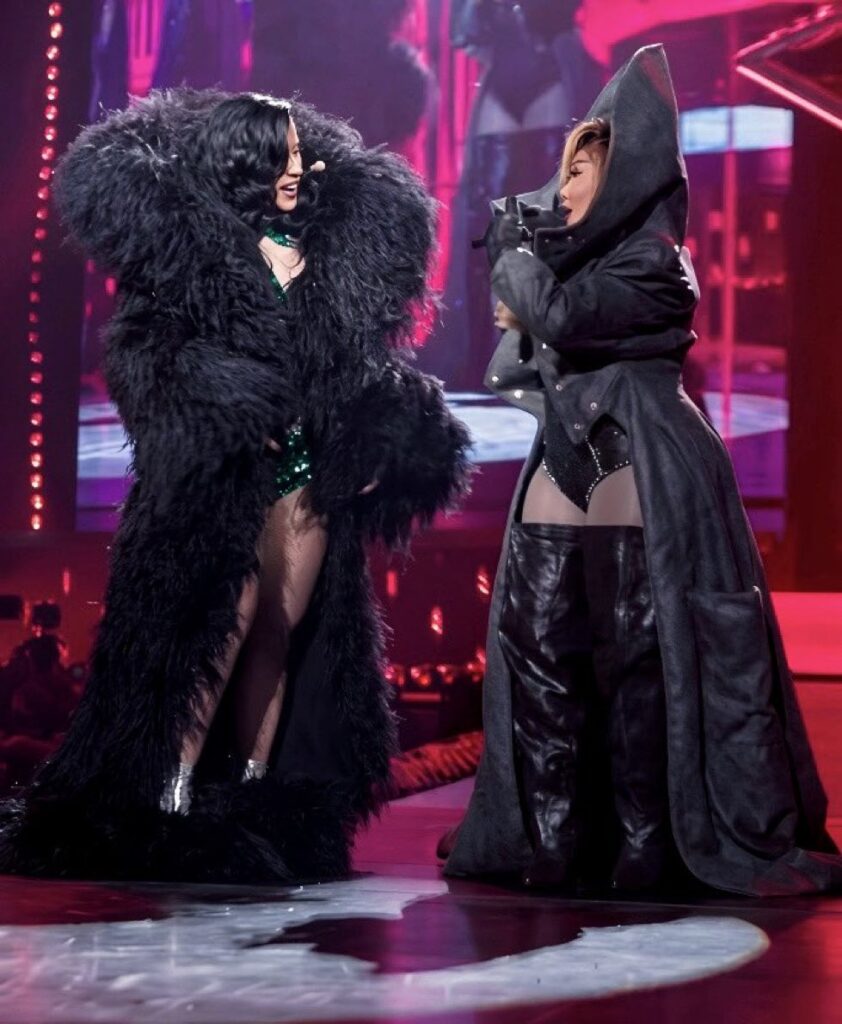
It wasn’t just a performance, it was a coronation of legacy. A passing of energy. A public acknowledgment of lineage in a genre that often forgets its matriarchs. The moment stood as a powerful example of true womanhood in rap: honoring those who paved the way while confidently owning the present.
Cardi B’s magnetism extends beyond fans. Her shows have drawn the presence of respected peers and legends alike, including Remy Ma and the iconic Patti LaBelle. Their attendance signals more than curiosity—it’s recognition. Recognition that Cardi is not a fleeting moment, but a movement.
This 33-show sold-out run is more than a statistic it’s a statement. It affirms that the future of hip-hop is multicultural, female-led, and emotionally resonant. It proves that authenticity, when paired with talent and timing, can break every mold the industry tries to impose.
Cardi B isn’t just following in Selena’s footsteps she’s building her own path, one that merges trap with tradition, Bronx grit with Latin pride, and superstardom with sincerity.
And if this tour is any indication, she’s not just part of history.
She’s rewriting it.