
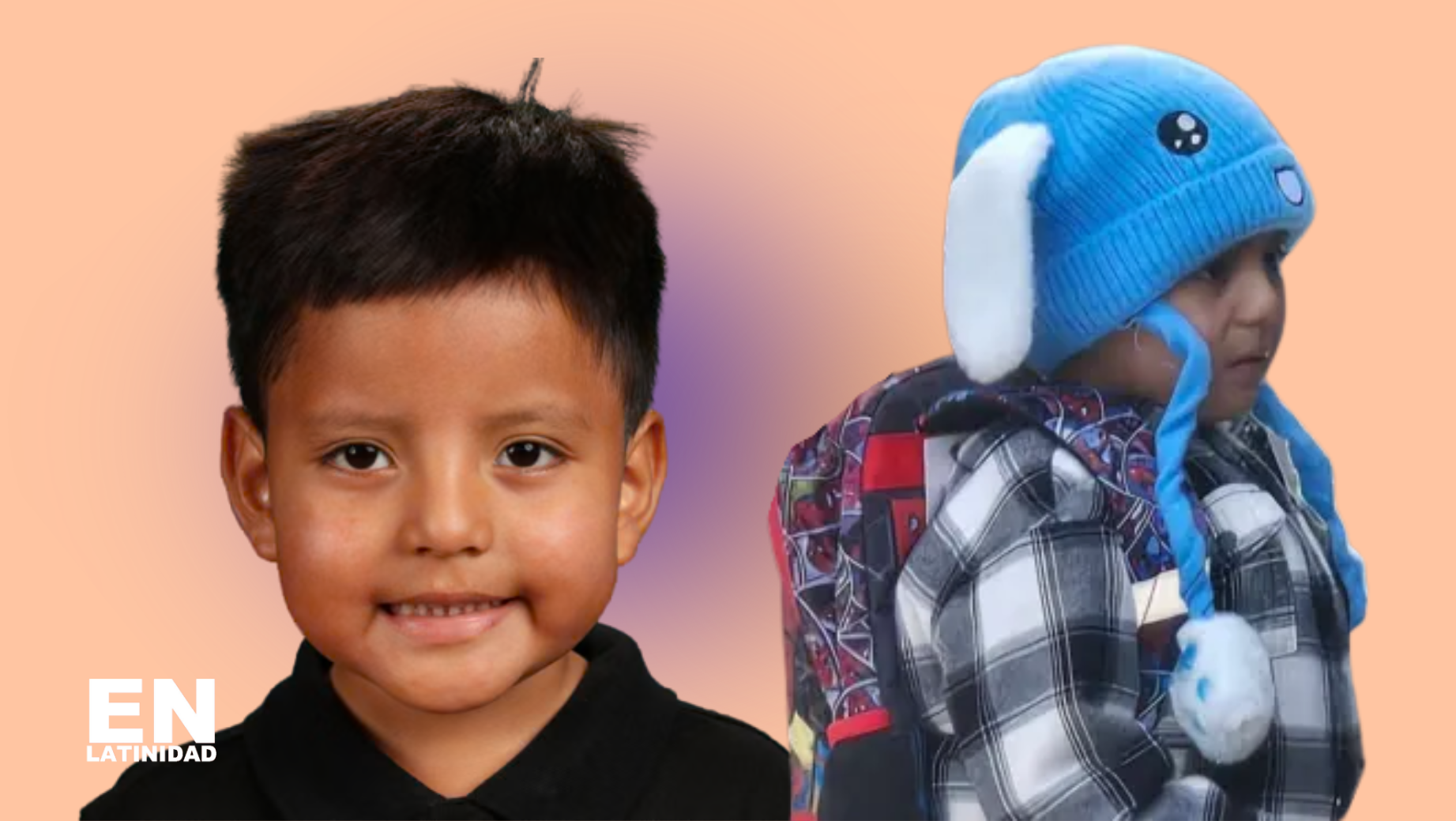
On Tuesday afternoon, five-year-old Liam Conejo Ramos returned home from preschool like any other child — tired, small, and unaware that his life was about to be upended.
As his family’s car idled in the driveway of their home in Columbia Heights, a quiet Minneapolis suburb, federal immigration agents approached. Within moments, Liam was taken from the vehicle. The scene unfolded quickly, according to school officials: a child removed from his car seat, confusion replacing routine, fear interrupting what should have been a safe return home.
Liam, who had just spent the day learning and playing, was not accused of anything. He is five.
His family is originally from Ecuador. In December 2024, they presented themselves to US border officials in Texas to seek asylum — a legal process protected under US and international law. They did not cross in secret. They did not evade authorities. They asked for protection.
“They have done everything they were supposed to do,” said the family’s attorney, Marc Prokosch. “They came legally. They are pursuing a lawful asylum claim.”
Still, Liam was taken.
According to the Columbia Heights school district superintendent, another adult in the home pleaded with agents to allow them to care for the child. The request was denied. At one point, an agent reportedly instructed the five-year-old to knock on the door of his own home to see if anyone else was inside — a moment that school officials described as deeply disturbing.
Federal authorities dispute this account, insisting the child was “abandoned” and denying that he was used to facilitate the operation. But the word “abandoned” sits uneasily alongside the image of a preschooler standing alone amid armed agents.
Liam is now being held in Texas at the South Texas Family Residential Center in Dilley alongside his father, Adrian Alexander Conejo Arias. The facility is described as “residential,” with classrooms and a library, but it is still a detention center — far from home, school, and stability.
His father has no known criminal record in Minnesota.
The Department of Homeland Security maintains that the father was the target of the arrest and that officers acted in the child’s best interest. Political leaders echoed this framing, turning a frightened child into a talking point in a national debate about enforcement and borders.
But for Liam, none of that matters.
What matters is that he was separated from his routine, his community, and his sense of safety. What matters is that his preschool desk now sits empty. What matters is that his classmates — and his teachers — are left asking questions they cannot answer.
Liam is not alone. In the same school district, multiple children have been taken by immigration authorities in recent weeks: teenagers pulled from cars on their way to school, a ten-year-old now held in Texas, families detained in their homes.
For educators and neighbors, these incidents are not abstract policy outcomes. They are lived trauma.
“This is not about politics,” one school official said. “This is about children.”
As Liam and his father wait in detention, his family’s asylum case continues — now fractured across state lines. A process meant to offer protection has instead delivered fear, displacement, and uncertainty.
For those watching from Minneapolis, the question lingers:
What does it say about a country when a five-year-old coming home from preschool becomes collateral damage in an immigration campaign?
Liam’s story is not just about enforcement or legality. It is about how power is exercised — and who bears the cost when it is.
A Gofundme was created by the family, you can support it through the link here.