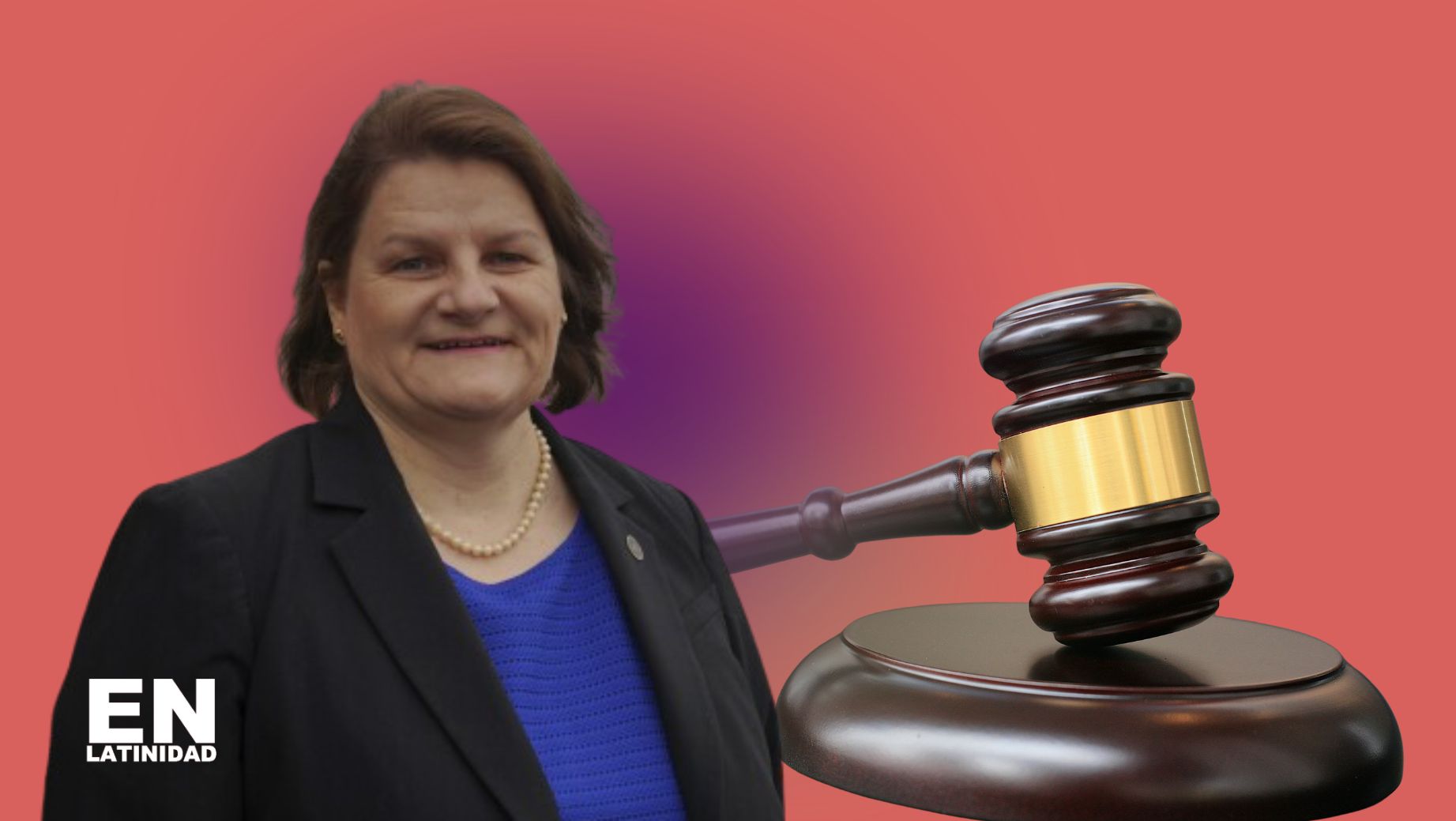
MILWAUKEE, Dec. 26, 2025 — A federal jury has found Milwaukee County Circuit Judge Hannah Dugan guilty of felony obstruction of an official proceeding for her role in an incident in which she allegedly helped an undocumented immigrant evade arrest by federal immigration authorities — making this one of the most unusual criminal convictions of a sitting judge in recent U.S. history.
In April 2025, Dugan was arrested by the FBI and charged in federal court with obstructing federal agents and concealing an individual to prevent arrest, stemming from actions she allegedly took at the Milwaukee County Courthouse on April 18. Federal prosecutors said immigration officers from U.S. Immigration and Customs Enforcement (ICE) and Homeland Security Investigations were waiting to detain a Mexican national, Eduardo Flores-Ruiz, on an administrative immigration warrant when Dugan intervened.
Dugan’s defenders argue that her actions were rooted in an attempt to demonstrate compassion and judicial leniency within an increasingly punitive socio-political landscape, where aggressive immigration enforcement under the current administration has left little room for humanity, discretion, or mercy inside the legal system.
According to the government’s indictment and courtroom evidence, Dugan confronted the agents in a courthouse hallway and told them they needed a judicial warrant before making an arrest. She then reportedly guided Flores-Ruiz and his attorney out of the courtroom through a non-public exit, which prosecutors said temporarily allowed him to evade federal custody. Flores-Ruiz was later apprehended outside the building following a brief foot pursuit and has since been deported.
After a four-day trial in December, the jury deliberated for about six hours before convicting Dugan on the obstruction charge while acquitting her on the separate misdemeanor count of concealing a person from arrest.
The verdict has reverberated beyond Milwaukee. Republican lawmakers in Wisconsin have already demanded Dugan resign or face impeachment, citing the felony conviction and arguing that a judge who obstructs law enforcement cannot continue to serve. Under the Wisconsin Constitution, convicted felons are barred from holding public office.
Critics of the prosecution, including some legal commentators and advocates, have raised alarms about judicial independence, arguing that the case risks criminalizing actions taken to protect court integrity or resist aggressive federal enforcement inside courthouses. Supporters of the conviction, including federal prosecutors, counter that “no one — not even a judge — is above the law and that interference with lawful federal operations undermines public safety and the rule of law.”
Dugan’s defense has swiftly moved to challenge the verdict. Her legal team has filed motions seeking a new trial and to overrule the jury’s verdict, arguing the complexity of the case and procedural errors warrant further judicial review. A sentencing date has not yet been set, and it remains unclear whether Dugan plans to appeal the conviction to higher courts.
The judge was temporarily suspended from her duties on the Wisconsin circuit bench following her arrest in April, and she has not been presiding over cases since that time. The prosecution of Judge Dugan highlights deep and contentious rifts over immigration enforcement in the United States during President Donald Trump’s second term, as well as broader debates about the boundaries between state judicial authority and federal law enforcement inside court facilities. Similar cases in the past — such as the 2019 federal prosecution of Massachusetts Judge Shelley Richmond Joseph for allegedly helping a detained immigrant leave through a rear door — reflect ongoing tensions over how courts interact with federal immigration agents.
As federal authorities and local officials continue to clash over immigration policy and enforcement in courthouses and communities nationwide, the outcome of Dugan’s case will remain a focal point for discussions on judicial discretion, federal authority, and immigration law.