
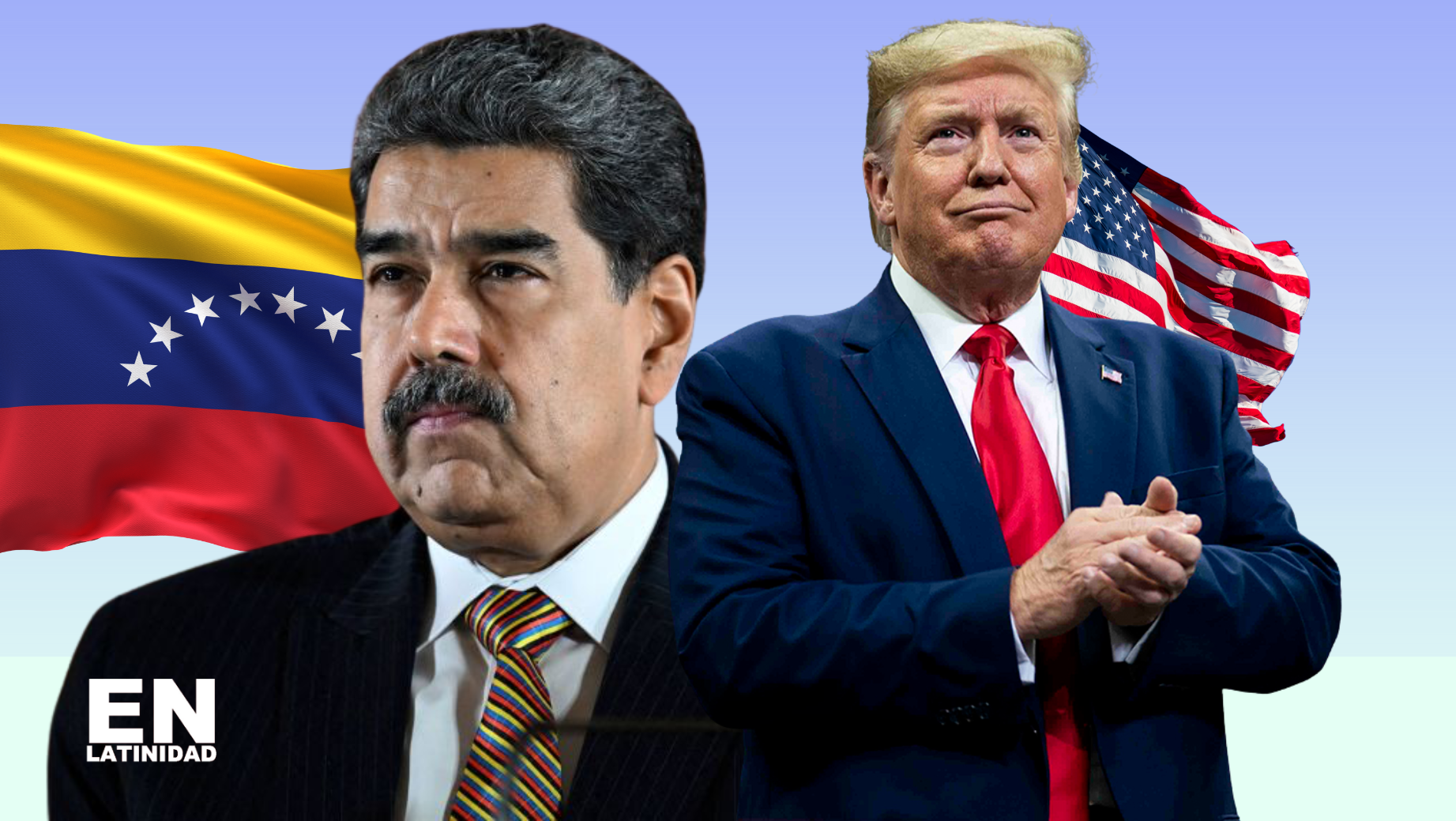
In recent weeks, tensions between the United States and Venezuela have escalated dramatically. Under the banner of an anti‑drug campaign, the U.S. has carried out a series of deadly strikes on vessels in the Caribbean — actions officials in Caracas and Bogotá now call part of a broader strategy to seize control over Venezuela’s oil‑rich resources.
According to sources, since September 2025 the U.S. military has executed at least 21 operations against “suspected drug‑trafficking boats,” resulting in more than 80 deaths. Among the most controversial incidents: a strike reportedly ordered by U.S. defense authorities that, according to a leaked report, targeted all people aboard — including survivors — a move that opponents describe as extrajudicial execution.
Following these attacks, the legislature of Venezuela announced the formation of a special commission to investigate the strikes. The Venezuelan government, led by Maduro, denies any involvement in narcotrafficking — instead accusing Washington of seeking regime change and control over the country’s oil wealth.
The pressure campaign took another dramatic turn when Trump declared Venezuelan airspace “closed in its entirety,” ordering airlines and traffickers alike to avoid crossing into what the U.S. now considers off‑limits. The Venezuelan government responded by denouncing the action as a “colonialist threat” to its national sovereignty.
For Maduro and his allies, the combination of lethal strikes at sea, a full airspace blockade, and a massive U.S. naval presence in the Caribbean resembles a coercive campaign — one that aims as much at regime destabilization as drug interdiction.
The reverberations have not stayed confined to Venezuela and Washington. In Bogotá, President Gustavo Petro has emerged as one of the staunchest critics of the U.S. campaign. In November, he ordered his nation’s intelligence services to suspend all cooperation with their U.S. counterparts until the strikes stop — a bold move signaling a sharp rupture with Washington.
Petro also publicly condemned the boat strikes as “murder,” and has called for criminal investigations into Trump and other U.S. officials responsible for the operations. “The fight against drugs must be subordinated to the human rights of the Caribbean people,” he wrote.
On top of that, Petro accused what he described as “a clan of pedophiles” of attempting to destroy democracy in Colombia — a veiled reference to alleged ties between the U.S.’ “war on drugs” operatives and those connected to the Jeffrey Epstein scandal. While he didn’t directly name Trump, the implication was clear: in Petro’s view, U.S. pressure on Venezuela and Colombia is part of a broader moral and political assault.
These statements have ignited a diplomatic firestorm. Meanwhile, some in Washington dismiss them as inflammatory rhetoric. But for many in the region, Petro’s willingness to speak out underscores growing frustration with what they perceive as U.S. overreach.
Observers argue that the official pretext — drug interdiction — is increasingly hard to reconcile with the scale, frequency, and lethality of the strikes. The lack of publicly released evidence proving cartel affiliation, the broad nature of the attacks, and the inclusion of noncombatant casualties have raised serious legal and moral questions.
Critics suggest the real aim may be geopolitical: exerting pressure on a regime whose oil reserves remain among the largest in Latin America. The pattern — continuous naval presence, airspace closure, and military strikes — fits a classic template of coercive diplomacy, or what some call “oil leverage.”
For Caracas, Bogotá and much of Latin America, the concern is not just sovereignty — it’s a warning: once military force becomes a tool of foreign policy, the risk to regional stability and human rights becomes dangerously real.
As Venezuela’s National Assembly begins its probe, and Colombia formally suspends security cooperation with the U.S., the stage is set for a deeper regional crisis. International pressure is growing — from human‑rights organizations, from other Latin American governments, and from global institutions.
Meanwhile, the Trump administration shows no sign of backing down. With airspace locked, naval assets deployed, and public warnings issued, the next chapter could involve even more aggressive moves — potentially even land operations.
For Latin America, this may mark the beginning of a new era: one in which foreign military force is no longer an external threat, but a source of internal division — and a test of regional unity.