
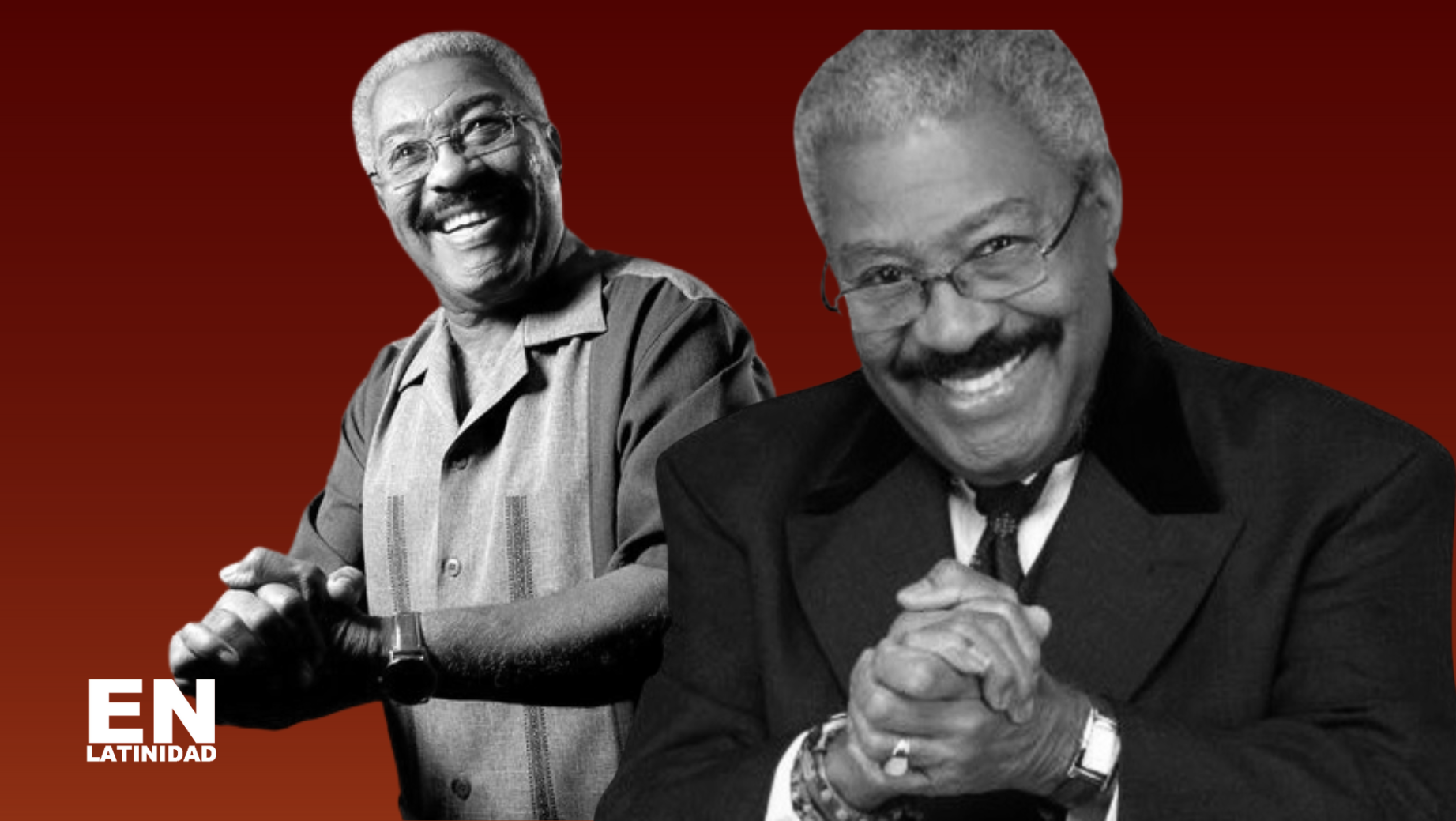
Rafael Ithier, a central figure in Puerto Rican music and a founding force behind one of salsa’s most influential orchestras, shaped the sound and structure of the genre for more than six decades.
Born in 1926 in San Juan, Puerto Rico, Ithier was raised in the working-class barrio of Río Piedras, where economic necessity and early loss defined his childhood. After his father’s death, he began helping support his family, turning to music as both survival and expression. He learned guitar as a child and was performing for tips before most children his age were in middle school. By his early teens, he had left formal education to work full time, even as music remained a constant presence in his life.
Largely self-taught, Ithier expanded his musicianship across multiple instruments, including the Cuban tres and the double bass, before ultimately settling on the piano—the instrument that would anchor his career and become synonymous with his musical leadership. His technical range and discipline distinguished him early, traits that would later define his role as a bandleader.
In his mid-twenties, Ithier enlisted in the U.S. Army and was stationed in Korea. Though he later admitted the experience was emotionally difficult at first, he consistently credited the military with instilling the structure, discipline, and leadership style that guided his professional life. Those qualities became evident after his return, when he fully immersed himself in the evolving Latin music scene.
Ithier spent time in New York City performing with the Borinqueneers Mambo Kings before returning to Puerto Rico, where he joined Cortijo y Su Combo, one of the most important ensembles in Afro-Puerto Rican music. In 1962, following internal disputes within that group, Ithier and several fellow musicians formed a new orchestra: El Gran Combo de Puerto Rico.
What began as a collective response to instability quickly became an institution. Under Ithier’s direction, El Gran Combo developed a distinctive sound that balanced danceability, social commentary, and musical precision. The group earned the nickname “La Universidad de la Salsa,” reflecting its role as both a training ground and cultural authority within the genre. Over the decades, the orchestra toured internationally, released dozens of albums, and produced songs that became standards of the salsa canon, including “Me Liberé,” “Un verano en Nueva York,” and “No hay cama pa’ tanta gente.”
For more than sixty years, Ithier served as El Gran Combo’s musical director, arranger, pianist, and guiding presence. Band members—past and present—have frequently described him as a patriarchal figure whose insistence on discipline and professionalism helped sustain the group across generations and shifting musical trends.
Rafael Ithier died on December 6, 2025, at the age of 99, according to early reports confirmed by a family attorney. While details surrounding his death have not been fully disclosed, official statements cited health-related complications.
In a statement, El Gran Combo acknowledged Ithier’s passing with gratitude and reverence, describing him as the architect of a sound that shaped generations of listeners and musicians. The announcement prompted an outpouring of tributes across Puerto Rico and the broader Latin music world, with artists, institutions, and fans recognizing his influence on both national identity and global salsa culture.
Though his death marks the end of an era, Ithier’s impact remains active and audible. El Gran Combo continues to perform, and countless musicians shaped under his leadership carry forward the standards he set. His legacy is not confined to memory or tribute—it lives on through a musical tradition that continues to move audiences worldwide.
What endures is more than a catalog of recordings. Ithier helped define a cultural language, giving rhythm and form to Puerto Rican experience and exporting it to the world. His absence is deeply felt, but the music he helped build remains, steady and unmistakable, as part of salsa’s living history.