
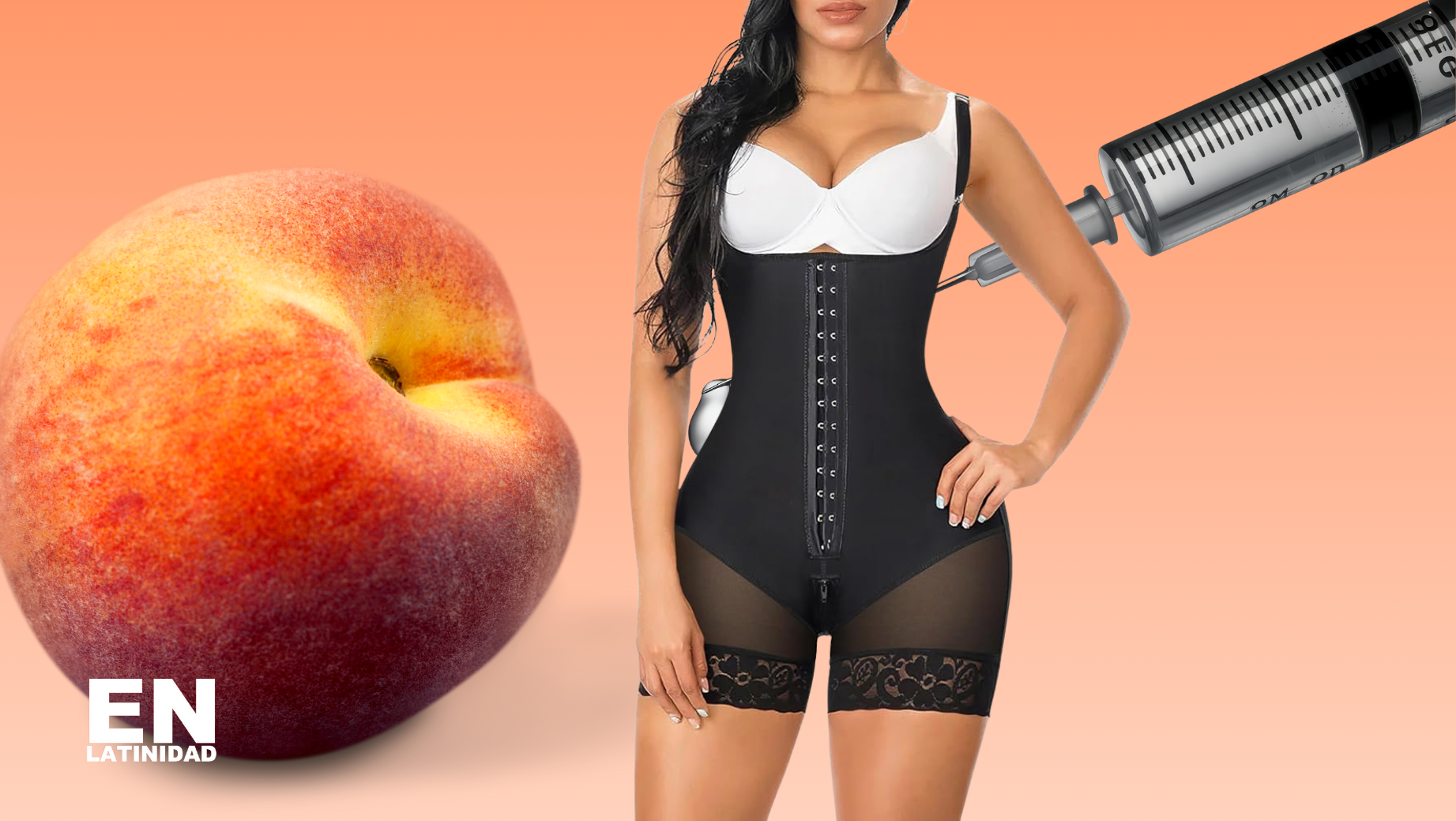
Plastic surgery is often a topic clouded with judgment and misconceptions, but I want to share my personal perspective: there’s nothing inherently wrong with going under the knife. Life is short, and if there’s something you genuinely don’t like about yourself, why not change it? That said, it’s important to approach it thoughtfully. Analyze why you want the change—ideally with a licensed therapist—to ensure your motivations are clear and healthy.
I’m writing this not just to share my personal experience, but because plastic surgery—whether some want to admit it or not—is very prominent in the Latino community and across broader society, and I personally don’t believe there’s anything wrong with it. In fact, cosmetic procedures have become increasingly common: in the United States alone, nearly 1.6 million cosmetic surgical procedures were performed in 2024, a figure that has risen steadily year over year, with liposuction, breast augmentation, and abdominoplasty topping the list of popular choices. Globally, the cosmetic surgery market was valued at tens of billions of dollars in recent years, with millions of procedures performed worldwide, reflecting how aesthetics and self‑expression are becoming normalized aspects of contemporary life. Social media platforms like Instagram and TikTok play a huge role in shaping these trends—videos about cosmetic surgery routinely rack up billions of views, and more than half of those who undergo procedures say they were influenced by what they saw online. While this visibility has positive effects—breaking down stigma and making discussions about personal choice more open—it also comes with challenges, such as unrealistic expectations and pressure to conform to filtered beauty standards.
Among all elective cosmetic procedures, the Brazilian Butt Lift has been widely cited by plastic surgeons and professional task forces as having one of the highest mortality rates—a fact that has sparked both concern and calls for heightened safety standards within the industry. Research published in the Aesthetic Surgery Journal and safety advisories from multi‑society task forces estimate that the BBL’s mortality rate historically hovered around 1 in 3,000 procedures, significantly higher than most other aesthetic surgeries, earning it the label of the deadliest cosmetic surgery in some studies.
The primary risk stems from fat embolisms, which occur when fat inadvertently enters large blood vessels during the injection process and travels to the lungs or heart, blocking blood flow and potentially causing fatal complications. The unusual anatomy of the gluteal region—with major veins close to the surgical field—makes this procedure uniquely risky, and until recent improvements in technique and stricter surgical guidelines, fat injected too deeply into muscle tissue was the leading cause of these embolisms.
These safety concerns have led plastic surgery societies worldwide to issue urgent advisories urging surgeons to refine their methods and reaffirm the importance of board‑certified expertise and proper surgical environments. While new protocols—such as recommending that fat be placed only into superficial layers above the muscle—are helping reduce risks, the BBL’s past statistic as having the highest known death rate among cosmetic procedures continues to inform patient decision‑making and industry standards.
For me, the journey started after I lost 150 pounds through natural diet and exercise. I was proud of my progress, but I didn’t anticipate how much excess skin I had. That led me to an abdominoplasty (tummy tuck) to remove it. Later, realizing I didn’t have the curves I wanted, I opted for a Brazilian Butt Lift (BBL) and, subsequently, a second BBL to enhance my hips. While these surgeries helped me achieve the body I wanted, I learned lessons I wish I had known beforehand.
1. Changing One Thing Changes Everything
One of the biggest lessons I learned is that when you alter one part of your body, everything else is perceived differently. Think of it like a painting: changing one element shifts the way the entire work is viewed. Understanding this early could have helped me navigate the body dysmorphia I experienced post-surgery. Now, I’m happy with my body, but it took some mental adjustment to fully appreciate the changes.
2. Keloids Are a Real Possibility
If you are Black, it’s important to know that keloids—raised, thickened scars—can form after surgery. Thankfully, there are multiple ways to manage them, including:
-
Steroid injections (my personal go-to; significantly reduced my scars)
-
Silicone sheets or gels
-
Laser treatments
-
Cryotherapy
-
Pressure therapy
Knowing these options in advance helps you manage expectations and take proactive steps for healing. My advice? Plan beforehand.
3. Define Your Ideal Body Before Surgery
I wish I had mapped out my ideal body shape before my second surgery. Simply requesting “a bigger butt” does not automatically translate to fuller hips, and clarifying your goals beforehand can save time, money, and unnecessary procedures. Have a clear vision of your ideal proportions—it will guide your surgeon and ensure you get what you truly want.
4. Communicate With Every Doctor Handling Your Care
If you switch doctors, disclose every detail of prior procedures. For example, my tummy tuck included a new belly button, and when I saw a new surgeon for my second BBL, she wasn’t aware of previous work. The result was a new keloid, though it was treatable. This underscores the importance of transparency: surgeons need the full picture to avoid unintended consequences.
5. Allow Time to Heal
Healing takes both physical and mental preparation. You’re going to swell I’m incredibly grateful to Dr. Lee at Beth Israel Hospital, who recognized how young I was for my first surgery. He helped me structure my recovery, including scheduling friends to spend time with me while I was incapacitated for a month. Emotional support during recovery is just as important as physical care.
6. Don’t Travel Alone for Surgery
If you go abroad for procedures, bring someone you trust. Complications can happen, and having an advocate is invaluable—especially when interacting with hospital staff or navigating post-operative care. I thankfully didn’t have any complications, but I wondered about those girls sitting in the recovery house who were around all those people but felt completely alone while being so physically vulnerable. It must’ve sucked for them.
7. Listen to Your Doctor
If a surgeon advises that you’re not a good candidate—whether due to blood clot risk, mental readiness, or other factors—listen. Ignoring their advice could put your life at risk.
8. Get the Pain Pump Girl!
When getting plastic surgery, but especially something as intense as a tummy tuck–it hurts. You can take prescribed medicine but also, and a lot of people don’t know this: You can get a pain pump! It’s a form of numbing medicine monitored by your doctor that is released into your body on a periodic timeline. There were times where I felt nothing and I love that for me. Ask about it I 15/10 recommend it.
9. Aftercare is So Important
In the words of the great prophet Belcalis Almanzar better known as Cardi B ‘Put the F-cking Faja on’! Girdles or shareware are extremely important for aftercare in surgery. Don’t be in a rush to take it off either, I’m 3 years post op and I still wear my Faja because your body can move* by wearing your Faja consistently you’re dedicating yourself to the new body shape you paid for and fought so hard for–maintain it with shape wear.
I personally enjoy Fajas Marias, I went from an XXL to an XXS-staying in the XXS is a struggle! But 3 Years later and I’m still slipping into it.
Lymphatic drainage massages and wood massages hurt but are extremely important to reducing swelling and getting rid of pools of liquid in your body that didn’t drain correctly post-surgery.
10. Plastic Surgery is a Lifestyle
It’s my personal opinion that people should only get plastic surgery if they’re willing to maintain it. A golden rule of plastic surgery is to not gain more than 30 pounds than you weighed during the time of the procedure or else you will undo the work. Ever wonder why women go under repeatedly for lipo? This may very well be one of the most direct answers. If you’re able to maintain your weight, get regular massages and/or heavily engage in aftercare? its for you. And if not? You may want to consider holding off and saving yourself the money…
General Tips for a Safe Experience
-
Ensure your surgeon is board-certified.
-
Trust your instincts: if something feels off at any point in your experience, dig deeper.
-
Look for doctors who take their time to explain procedures thoroughly, and who assess whether you are a good candidate. Not all surgeons are created equal; standards and attention to detail matter.
Plastic surgery doesn’t have to be all about vanity; it can be about empowerment. It’s about making choices for yourself and taking control of your body in a way that makes you feel confident and authentic. My journey involved multiple surgeries, keloid management, and a learning curve—but the key takeaway is that thoughtful preparation, clear communication, and patience make all the difference. Today, I am grateful for my new body, my decisions, and the lessons I learned along the way.