
1. El General
Often credited as one of the founding fathers of early reggae en español, El General began his career fusing dancehall, reggae and Latin rhythms — effectively laying groundwork for what would become reggaetón. His Jamaican-inflected style and Spanish lyrics bridged cultures and opened doors for Latin urban music to evolve into full-fledged reggaetón.
2. Héctor el Father
Héctor emerged first in the “música urbana / Latin rap” scene before reggaetón exploded. Over time, he embraced the reggaetón beat and culture, collaborating with reggaetón producers and artists — helping to cement the transition from underground rap/hip-hop to mainstream “perreo”‑ready tracks.
3. Gocho
As a producer and artist, Gocho worked on many urban Latin tracks before fully leaning into reggaetón. His evolution demonstrates how producers and beat‑makers played a key role in the shift — bringing urban‑music sensibilities into the perreo and reggaetón movement.
4. Farruko
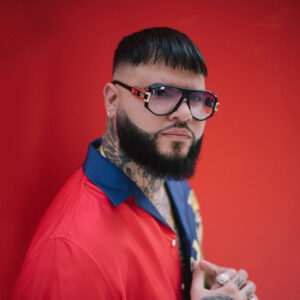
Farruko’s early work had strong influences from Latin urban and rap, but as reggaetón regained dominance, he adapted — releasing reggaetón-heavy songs and collaborations. This transition allowed him to stay relevant and tapped into the broader reggaetón fanbase.
5. Almighty

Almighty began with Christian rap and urban‑inspired reggaetón/hip-hop, but later pivoted toward mainstream reggaetón. His career reflects how artists sometimes shift from niche or alternative urban styles to mainstream reggaetón in search of wider reach and commercial success.
6. Georgie Berrios (from Las Guanabanas)

Las Guanabanas fused Caribbean rhythms and urban Latin sounds before reggaetón as known today took over. Georgie Berrios and the group adapted over time — incorporating more reggaetón beats and sensibilities — illustrating a broader pattern among Caribbean‑Latin urban artists evolving as reggaetón rose in popularity.
7. Jomar el Caballo Negro
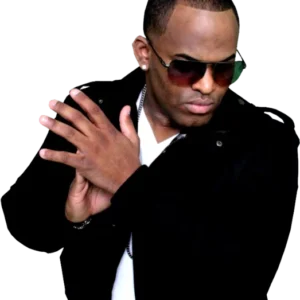
Jomar’s earlier tracks leaned on tropical‑urban and Caribbean styles. As reggaetón’s popularity surged, he aligned more directly with reggaetón’s rhythm and themes, reflecting the trend of “urban” artists adopting reggaetón to stay current and connect with younger audiences.
8. Kartier
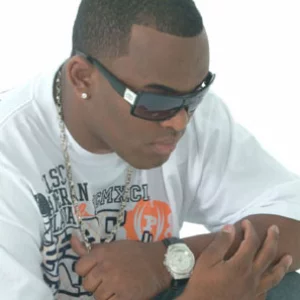
Known initially for underground urban rap or Latin‑urban fusion, Kartier — like many others — eventually embraced reggaetón’s beat and sensibility. This shift showcases reggaetón’s gravitational pull on various strands of Latin urban music over the years.
9. Lary Over
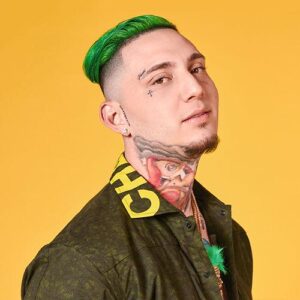
Larry Over started more in Latin‑urban, hip-hop, and street‑rap influences, but as the reggaetón genre redefined itself, he incorporated reggaetón elements into his style — a path that many “urban” artists followed to tap into the perreo culture and broader reggaetón fanbase.
10. Vico C
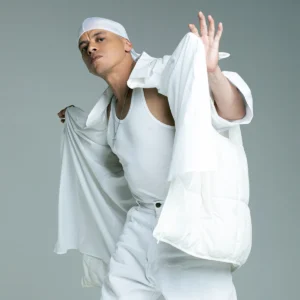
Often hailed as a pioneer of Spanish‑language rap and Latin urban music, Vico C’s early career laid down the foundational elements of rhythm and rhyme. As reggaetón emerged and evolved from those urban roots, Vico C’s influence and occasional stylistic shifts helped bridge the older generation of urban Latin music with modern reggaetón.
11. Voltio
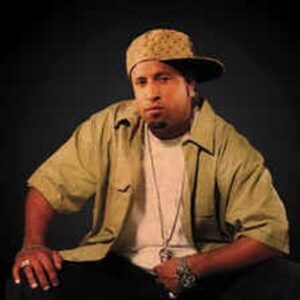
Voltio originally came up mixing rap, hip-hop, and Caribbean urban sounds. Over time, he embraced reggaetón more fully — vocal style, beat choices, collaborations — reflecting reggaetón’s absorption of various urban‑Latin subgenres, and his own desire to be part of the rising movement.
12. Divino
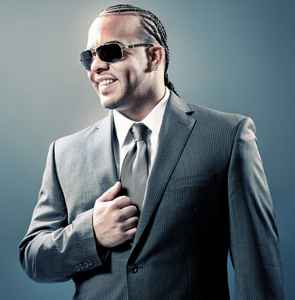
Divino’s background intertwined with Latin‑urban ballads and romantic‑rap traditions. As reggaetón grew into the dominant force within Latin urban music, he adapted — mixing in reggaetón rhythms and themes in some of his later work — exemplifying how artists from more melodic urban genres transitioned to the dance‑floor oriented reggaetón.
13. Tito El Bambino (even though he later returned to broader styles)
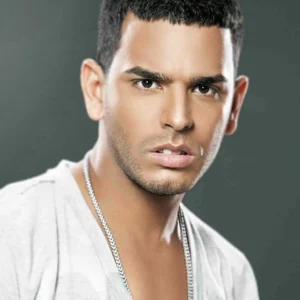
Tito El Bambino initially rode the wave of reggaetón as it surged, pivoting from urban‑music roots. He perfected the blend of romantic themes and reggaetón rhythm, helping to popularize reggaetón‑pop. Though he later diversified again, his reggaetón‑era contributions were influential in shaping mainstream reggaetón.
14. Nando Boom (though he later diversified)
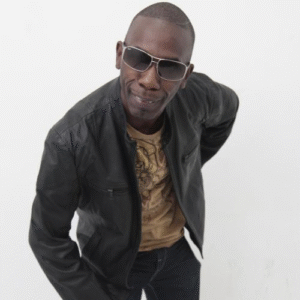
A pioneer in early dancehall/ reggae‑en‑español and urban‑Caribbean styles, Nando Boom’s influence on reggaetón is often acknowledged as part of the genre’s ancestral roots. As reggaetón emerged, his earlier work was reinterpreted and re-aligned with the sound, making him a transitional figure from urban‑Caribbean music toward reggaetón’s rise.
15. Daddy Yankee
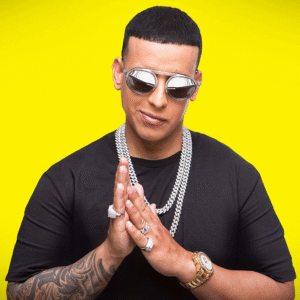
Though often considered one of reggaetón’s foundational pioneers, Daddy Yankee’s early work carried strong hip-hop, Latin‑urban and Caribbean influences. As the genre crystallized into reggaetón, he fully embraced it — helping to define the perreo‑ready, global‑facing version of reggaetón that would carry Latin urban music into international mainstream consciousness.