

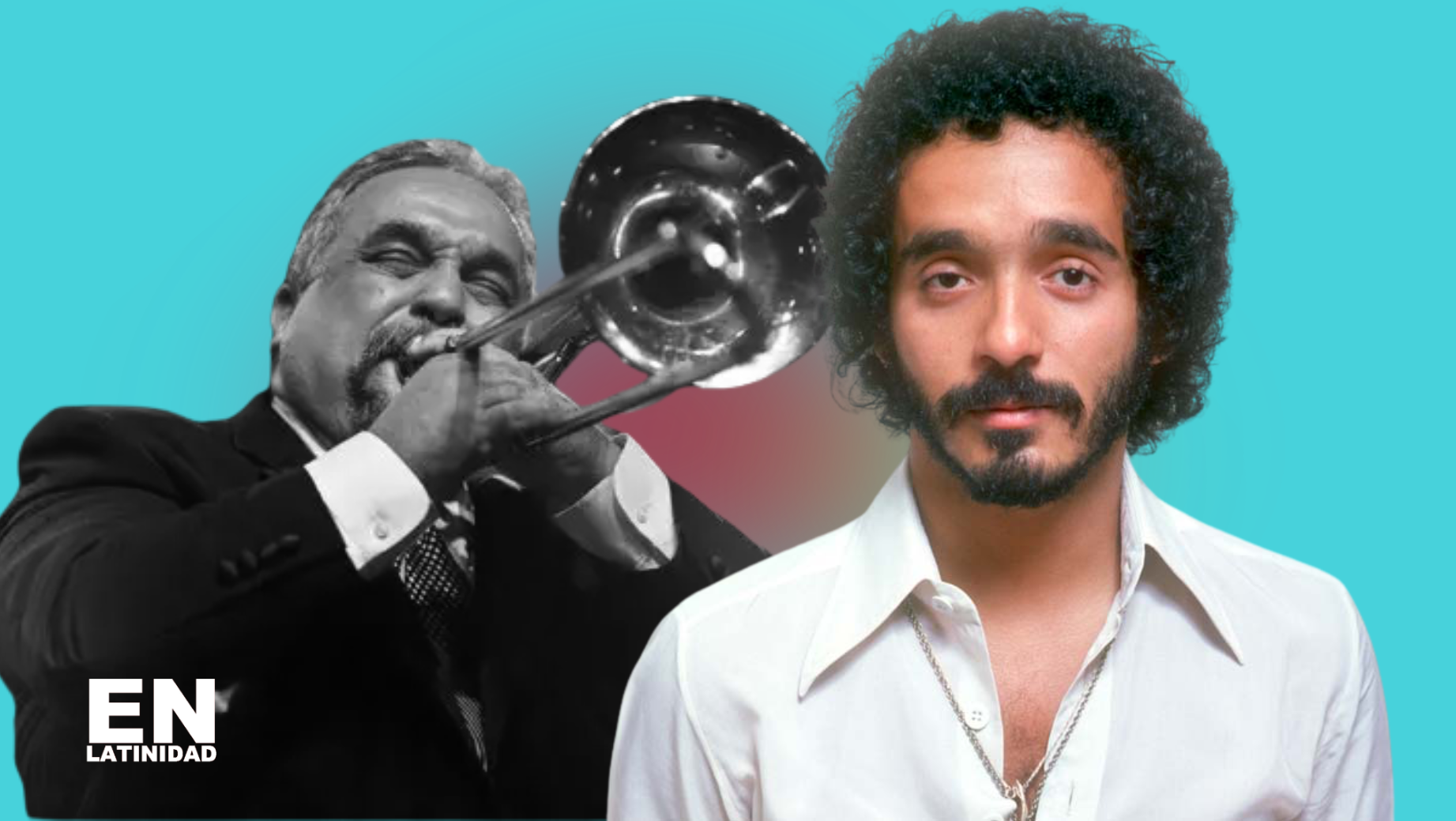
Willie Colón Dies at 75: Salsa Legend’s Legacy Sparks Debate Over Politics and Bigotry
The Latin music world is mourning the death of Willie Colón, the pioneering trombonist, bandleader, producer, and activist who helped define the sound and political consciousness of salsa. He was 75.
For more than five decades, Colón stood as one of the most influential architects of New York’s salsa boom. A Bronx-born Nuyorican of Puerto Rican heritage, he emerged in the late 1960s as a teenage trombonist with a bold, streetwise sound that would transform Latin music. His work with the legendary Fania Records cemented his place in history, while his later career as a solo artist, producer, and political voice expanded his reach far beyond the dance floor.
Yet his passing has not produced a singular note of mourning. Instead, it has reignited a complicated conversation about legacy, accountability, and the emotional labor U.S. Latino communities often perform when reckoning with cultural icons.
Colón’s rise began when he signed to Fania Records as a teenager. His gritty, trombone-heavy arrangements stood in contrast to the more polished Latin sounds of the era. Alongside vocalist Héctor Lavoe, Colón helped craft a run of era-defining albums that captured the raw energy of barrio life in New York City. Their collaborations, including classics like “El Malo” and “Calle Luna Calle Sol,” blended Afro-Caribbean rhythms with narratives about hustling, survival, and urban pride.
Colón was also a driving force behind the Fania All-Stars, the salsa supergroup that took the music from neighborhood block parties to global stages. Historic concerts at Yankee Stadium and international tours across Africa and Latin America transformed salsa into a worldwide cultural movement.
As a producer, Colón expanded the genre’s sonic and ideological boundaries. His work with Rubén Blades marked a turning point. Together, they released socially conscious albums that elevated salsa into a vehicle for political commentary. Songs like “Pedro Navaja” became urban parables about inequality, migration, corruption, and survival. In that era, Colón positioned himself as not just a musician but a progressive cultural voice aligned with community empowerment.
Beyond music, he ran for public office and frequently framed himself as an advocate for Latino civic participation and rights. For many, especially Nuyoricans who saw themselves reflected in salsa’s rise, Colón symbolized artistic excellence fused with social responsibility.
That is what makes the final chapter of his public life so unsettling for many fans.
In recent years, Colón’s social media presence revealed a sharp political shift. Once associated with progressive ideals, he began sharing right-leaning commentary that many critics described as xenophobic, racist, and colorist. His Instagram posts and public statements frequently targeted immigrants and echoed rhetoric that clashed with the inclusive, working-class solidarity embedded in salsa’s origins.
For supporters who grew up viewing him as a champion of marginalized communities, the dissonance was painful. The man who helped soundtrack movements for dignity now appeared, to some, to undermine those same values.
In the hours following news of his death, social media timelines reflected that tension. Tributes to his musical genius ran parallel to threads condemning his later-life views. Some fans argued that his foundational contributions to salsa remain undeniable. Others insisted that bigotry cannot be compartmentalized and that harm done in the present complicates celebration of the past.
But Colón’s death also exposes a larger cultural pattern within U.S. Latino communities.
There is often a tendency toward harm reduction when it comes to public figures we romanticize. We soften language. We contextualize. We minimize. We say “pero la música…” as if the art itself neutralizes the impact of rhetoric. In many Latin American countries, conservative and right-leaning politics are deeply embedded in social norms on issues of race, migration, sexuality, and national identity. Yet in U.S. marketing narratives, especially within diaspora storytelling, those ideological realities are frequently overshadowed by nostalgia and pride.
We market the genius. We package the iconography. We circulate the vinyl covers and archival photos. And in doing so, we sometimes participate in a kind of cultural Stockholm syndrome defending or excusing harm because the art gave us joy, validation, or visibility in a country that often denies us both.
Colón’s trajectory forces a confrontation with that dynamic. It asks whether we have been too eager to preserve our heroes in amber, even when their present-day words contradict the liberation we project onto them. It challenges media platforms, fans, and cultural institutions to decide whether mourning requires silence about harm—or whether accountability can coexist with acknowledgment of impact.
This is not simply about one man. It is about how diaspora communities navigate contradiction. How we reconcile the fact that Latinidad is not inherently progressive. How we grapple with the reality that some of our most celebrated artists may carry politics that harm other members of our own communities—Black Latinos, immigrants, queer Latinos, Afro-descendant populations whose existence shaped the very music being celebrated.
Willie Colón’s trombone changed the architecture of salsa. His production choices shifted the genre toward narrative depth and political engagement. He helped take a marginalized New York sound and make it global. At the same time, many fans say his later rhetoric left them feeling betrayed, embarrassed, and disillusioned.
In death, as in life, Colón leaves behind complexity. His catalog will continue to fill dance floors and history books. His name will remain etched into the foundation of Latin music. But the conversation around him will not be a clean one.
Perhaps that, too, is part of the story: that cultural giants are not immune from contradiction, and that communities have the right to wrestle with the fullness of a legacy including the parts that hurt.
Leave a Reply
You must be logged in to post a comment.