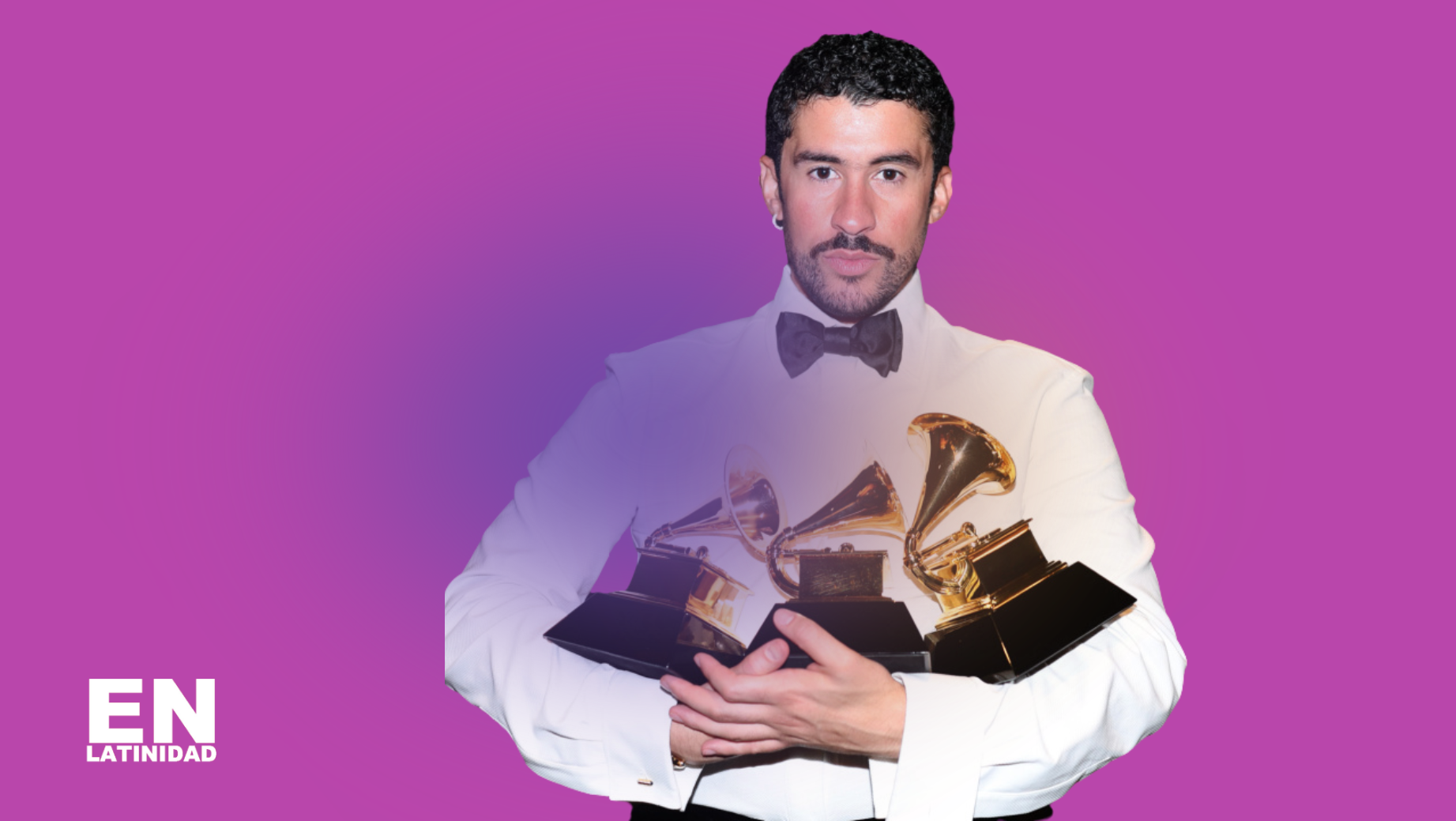
Bad Bunny, born Benito Antonio Martínez Ocasio, etched his name into music history Sunday night at the 2026 Grammy Awards, winning Album of the Year, Best Música Urbana Album, and Best Global Music Performance for Debí Tirar Más Fotos. The sweep marked a watershed moment not only for his career but for reggaeton as a genre, as the album became the first fully Spanish-language project to win Album of the Year in the history of the Recording Academy.
The moment carried particular weight given Bad Bunny’s long and often tense relationship with music institutions. In 2019, at the Latin Grammy Awards, he publicly criticized the Latin Recording Academy for sidelining reggaeton, a genre that had already proven itself culturally dominant and commercially powerful. Accepting an award that year, he spoke candidly about reggaeton’s exclusion and lack of institutional respect, arguing that the genre was central to Latin culture and deserved recognition beyond token categories. At the time, his comments were viewed by some as confrontational. In hindsight, they read as prophetic.
For decades, reggaeton has been dismissed by elitist naysayers who framed it as vulgar, disposable, or artistically unserious. Industry executives questioned its longevity and profitability, often insisting it was unworthy of long-term investment. Those same institutions now chase the genre’s sound, its audience, and its global reach, attempting to replicate what reggaeton artists built organically through culture, community, and resistance. Bad Bunny’s Album of the Year win represents the clearest institutional reversal yet, reggaeton not only accepted, but crowned at the highest level of the music industry.
During his acceptance speeches, Bad Bunny made a deliberate choice to speak in Spanish, underscoring that this moment was not about assimilation but affirmation. In one speech, he said he believed he should have received this recognition earlier, but emphasized gratitude and perseverance, acknowledging how long it has taken for Spanish-language music to be taken seriously on a global awards stage. He dedicated the win to Puerto Rico and to those who have been forced to leave their homeland in search of opportunity, a direct nod to the island’s vast diaspora.
That theme of displacement has been central to his recent work and public actions. In 2025, Bad Bunny completed a 31-show residency in Puerto Rico that became one of the most economically impactful live music events in the island’s history. The residency generated over 500 million dollars for the local economy, boosting tourism, hospitality, and small businesses while intentionally centering Puerto Rico rather than mainland venues. Titled No Me Quiero Ir De Aquí, the residency doubled as a cultural statement, highlighting the ongoing reality that more Puerto Ricans now live in the United States than on the island itself.
Puerto Rico’s history loomed large over the moment. As one of the oldest colonies in the world, the island continues to navigate economic hardship, political disenfranchisement, and population loss under U.S. governance. Bad Bunny has been increasingly vocal about these realities, including publicly voting for the Green Independent Party in the island’s most recent election, a symbolic act signaling support for Puerto Rican self-determination and independence. His political engagement positions him not just as a pop star, but as a cultural figure willing to tie success to accountability.
Throughout the night, fans flooded social media drawing comparisons between Bad Bunny and Michael Jackson, pointing to his global reach, cultural dominance, and ability to define an era. The comparison is not without merit, particularly within Latin America, where Bad Bunny already functions as a generational icon whose influence extends beyond music into fashion, politics, and identity. In the United States, however, that level of universal mythmaking is still in progress. He is a global superstar, but one who has achieved that status without centering English, U.S. cultural norms, or institutional approval, until now.
Bad Bunny’s historic Grammy sweep is ultimately bigger than awards. It signals a shift in power, one where reggaeton, long policed and marginalized, stands validated without compromise. It confirms that music born from Black and working-class Caribbean communities does not need permission to lead the global industry. And it solidifies Bad Bunny not just as a star, but as a defining cultural force for Puerto Rico and Latin America, on their own terms.