
December 22, 2025 — In a major update to immigration policy, the U.S. Department of Homeland Security (DHS) has announced a boosted financial incentive program encouraging undocumented immigrants to voluntarily depart the United States before the end of the year.
What the Incentive Is
- The Trump administration has tripled the payment offered to migrants who voluntarily leave the U.S., raising it from **$1,000 to $3,000.
- This payment, sometimes called an “exit bonus” or “holiday stipend,” is available to individuals who register with the U.S. government and depart the country through a designated process.
- Participants will also receive a free one-way flight to their home country as part of the offer.
How It Works
The program relies on a mobile platform called CBP Home, a rebranded version of the former CBP One app used for legal entries and appointments:
- Migrants must register their intent to depart through the app and confirm their departure once they have left the U.S.
- Once departure is verified by government systems, eligible individuals receive the $3,000 stipend and travel assistance.
- The deadline to register and depart under this incentive is December 31, 2025.
- After that date, the higher stipend offer expires — making this a time-sensitive opportunity for qualifying individuals.
Officials argue that the voluntary departure program is both cost-effective and humane compared with traditional deportation processes:
- DHS says deporting someone through enforcement can cost an average of around $17,000 per person, while voluntary departure with the stipend and airfare is far cheaper.
- Administration spokespeople, including DHS Secretary Kristi Noem, have stated that migrants who do not take advantage of the voluntary offer risk being found, arrested, and permanently barred from future return to the U.S.
The concept of incentivizing migrants to leave voluntarily — often referred to as “self-deportation” — was first introduced earlier in 2025:
- In May 2025, DHS offered a $1,000 stipend and travel assistance to undocumented migrants via the CBP Home app as part of “voluntary self-deportation” messaging.
- The current $3,000 offer represents an effort to accelerate departures, particularly as the end of the calendar year approaches.
Although pitched as a voluntary and dignified option, the program has drawn criticism and legal scrutiny:
- Some advocacy groups and legal experts argue that such incentives can be coercive and may not fully reflect the legal realities and rights of migrants.
- Past reporting also highlighted challenges in implementation, with some migrants not receiving promised payments or facing difficulties completing the departure process.
For undocumented immigrants in the U.S. considering this offer, there is now a limited time window to apply and depart through the government-approved process to qualify for the $3,000 stipend and free travel assistance.
Under the Trump administration, deportation policy was deliberately hardened in ways that human rights advocates say crossed into systematic cruelty, including the removal of people to countries they were not actually from or no longer connected to. The administration expanded fast-track removals, narrowed asylum protections, and pressured immigration judges to speed cases, increasing the likelihood of factual errors with irreversible consequences. As a result, migrants were deported to countries they had only transited through, to nations listed on outdated or incorrect documents, or to places where they had no language skills, family, or legal status. In some cases, people who had lived nearly their entire lives in the U.S. were expelled with little warning, limited access to counsel, and no meaningful opportunity to challenge the destination—turning deportation into a blunt, careless instrument rather than a precise legal process.
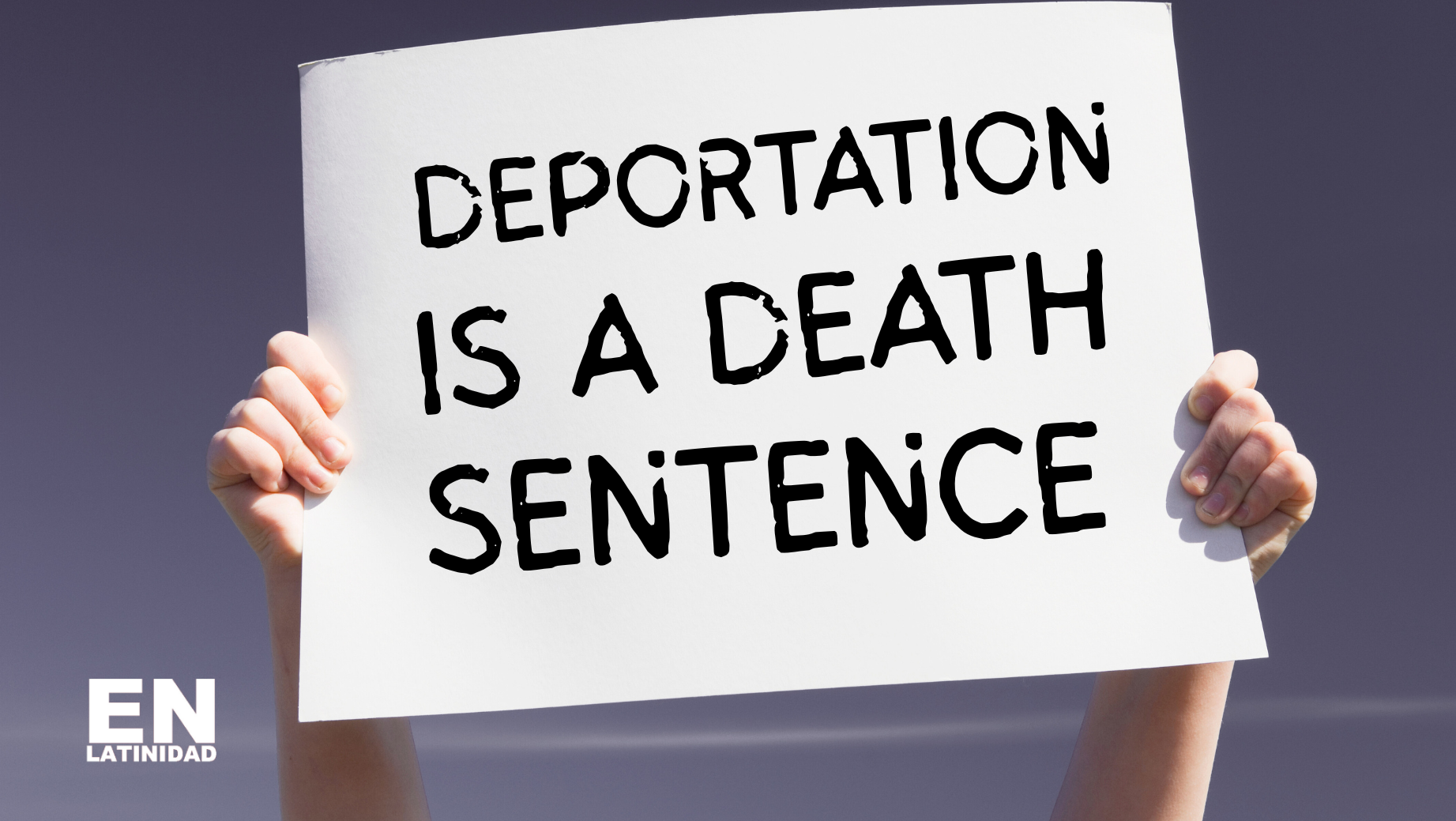
More starkly, the Trump administration repeatedly pursued removals despite clear evidence of danger, sending people into conditions it had been explicitly warned would put their lives at risk. Deportees were returned to countries experiencing political instability, gang control, or state violence, including individuals who were perceived as outsiders upon arrival and immediately targeted. Human rights groups documented cases in which deported individuals were assaulted, kidnapped, imprisoned, or killed shortly after being expelled—outcomes tied to the administration’s decision to weaken humanitarian protections and dismiss country-condition warnings. By prioritizing deterrence optics and speed over accuracy and safety, the Trump administration transformed deportation into an act of abandonment, severing people from their lives in the U.S. and depositing them into danger under the authority of the state.