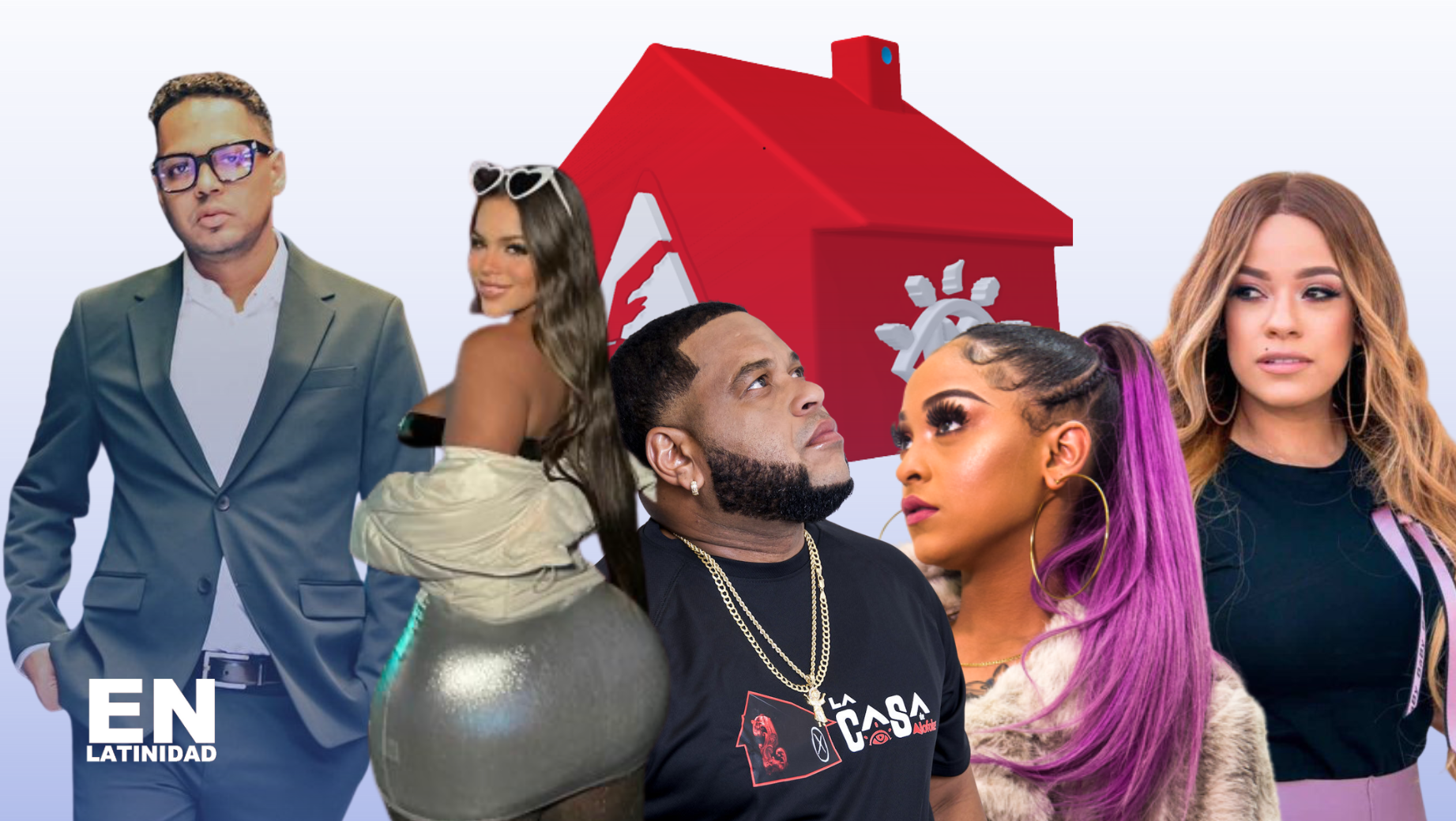
Behind the cameras of Casa de Alofoke, fame, drama, and controversy collide— but not all that glitters is gold. The reality show is a 24/7 livestream executive-produced by Santiago Matías, a prominent Dominican media mogul and founder of the Alofoke media network. The show brings together aspiring influencers, urban-music artists, social-media personalities, and content creators from across Latin America and the Caribbean to live together in a shared house. Participants are filmed around the clock, with cameras capturing daily interactions, competitions, and challenges designed to test their creativity, charisma, and social influence.
Special guest appearances by high-profile artists such as Romeo Santos and Prince Royce, among others, add star power and mentorship to the show. The format is designed to generate both online engagement and social-media buzz, often highlighting conflicts, alliances, and rivalries between contestants. While it has been praised for turning attention to Latinx urban culture and giving rising creators a platform, critics have raised concerns about the environment’s potential for bullying, the lack of safety protocols, and the influence of Santiago Matías’ past controversial remarks on LGBTQ+ representation.
In short, Casa de Alofoke is a reality TV experiment blending celebrity access, influencer culture, and music of ‘El Movimiento’ with a nonstop livestream format — a show that has captured widespread attention but also faces scrutiny for its handling of ethics, representation, and contestant welfare.
The reception to Casa de Alofoke has been deeply mixed — some fans are absolutely obsessed with the non‑stop drama, the clashes, and the high‑stakes social‑media dynamics; for them, the show delivers “must‑watch” entertainment and a kind of raw urban‑Latinx spectacle. Others, however, are much more critical — pointing to toxic behavior, misogyny, bullying, and a lack of empathy toward vulnerable participants as major flaws. Online discourse reflects this divide, with debates and reactions spreading across platforms like X (formerly Twitter), TikTok, and Threads, where viewers both cheer on confrontations and call out the show’s worst excesses.
Santiago Matías’ Casa de Alofoke arrived like a tropical lightning strike: a 24/7 reality-streaming experiment that immediately captured massive attention across the Spanish-speaking internet. It is undeniable that the format — a nonstop window into the private lives of influencers, musicians and personalities — proved a ratings and engagement machine. But that same format also amplifies risk: it magnifies power imbalances, rewards spectacle over ethics, and places vulnerable people under sustained public pressure. Given Matías’ own history of hurtful commentary toward trans and queer artists, viewers and advocates are right to demand a rigorous accounting of how the show protects (or endangers) marginalized contestants.
Matías’ 2023 statements about Villano Antillano — in which he publicly questioned the artist’s nomination in a female category and said, in effect, “es un hombre” — remain a clear touchstone for why critics are skeptical of his stewardship of a show that elevates young creators and social-media natives. Those remarks were widely reported and sparked backlash across the region; they are not old gossip but relevant evidence when assessing whether the show’s leadership models respect and inclusion. Metro Puerto Rico
Beyond the man at the top, the structure of Casa de Alofoke itself exacerbates danger. The 24/7 live format turns every private disagreement into public content, and it monetizes conflict through live donations and “super chats.” When contestants — especially women, LGBTQ+ people, or creators from smaller countries — clash with more powerful male counterparts, the camera doesn’t protect the vulnerable; it rewards the loudest. That dynamic has been visible in several viral incidents this season, where exchanges that began as personal slights quickly metastasized into targeted harassment and online pile-ons. Reporting on the season’s participant dynamics shows how the show’s mechanics can create a ripe environment for bullying and social-media manhunts.
A concrete example: Panamanian influencer Gracie Bon’s presence and the verbal clashes she endured with male housemates became flashpoints for viewers and commentators alike. Multiple outlets documented exchanges that escalated past standard reality-TV friction into episodes many described as misogynistic and demeaning — moments which critics say the production failed to adequately moderate in real time. Those incidents underline the programmatic responsibility of producers: if you broadcast conflict continuously, you must have ethical protocols and active safeguards to prevent harm.
The problem is not only interpersonal. Guests and star cameos — from Romeo Santos to Prince Royce and other heavyweights — bestowed cultural legitimacy on the show and widened its reach. But celebrity validation does not absolve the production of structural failures. If media moguls like Matías want to claim the mantle of cultural leadership, they must grapple publicly and concretely with past transgressive speech, implement meaningful anti-harassment policies, fund independent mental-health support for contestants, and ensure that queer and marginalized creators are protected, not tokenized. Public apologies, transparent policy changes, and third-party oversight are the minimal steps toward accountability; anything less is a ratings-driven dodge.
Until Casa de Alofoke (and the Alofoke media empire) demonstrates those reforms, the show’s success should not be celebrated without caveats. It is possible to build a reality format that spotlights Latinx creativity and offers real opportunity — but only if producers choose dignity over clicks, safety over spectacle, and inclusion over dismissive jokes about entire communities.
Below are names reported in multiple outlets as participants or guests on La Casa de Alofoke (season lists and press coverage):
Selected contestants / participants (reported lists across season coverage):
Carlos Montesquieu; La Fruta (José Manuel de la Cruz); La Peki PR (Andrea Victoria Ojeda); Gigi Núñez (La Gigi / Angélica Núñez); Sr. Jiménez; Karola Cendra (Karol Alcendra); Crazy Design; Vladimir Gómez; Mami Kim; Luise (Luis Enrique Martínez); Crusita (Marileidy Concepción); Giuseppe Benignini; Luis Polonia; Juan Carlos Pichardo Jr.; Young Swagon; Diosa Canales; Gracie Bon (Panama); Valka (Colombia); Jlexis; Michael Flores; (reporting indicates a 20-participant roster across sources according to Listín Diario
Notable special guests and cameo appearances (reported):
Romeo Santos (appeared/support for contestants; attended finale)
Prince Royce (declared “Team Fruta/Team Saltamontes” and pledged daily support/super-chat donations).
Other guest names reported in coverage include: Charytín Goico, Laura Bozzo (announced joining), Frank Reyes, Toño Rosario, Don Miguelo, Ozuna, Natti Natasha, Sech, Bulín 47, Yailin, De La Ghetto, and various urban artists who either visited or publicly supported contestants. (See season wrap coverage for the fuller list.)