The presence of Yoruba-derived spiritual traditions across Latin America is a profound testament to resilience, creativity, and cultural survival. These religions—known by many names and taking diverse forms, including Santería, Palo Mayombe, Lucumí, Voodoo, 21 Divisiones, and Obeah in Jamaica—represent the spiritual lifeblood of African-descended communities throughout the Americas. They carry the weight of history, culture, and the human spirit, surviving despite centuries of persecution, enslavement, and systemic oppression.
The origins of these faiths trace back to West Africa, particularly the Yoruba people of present-day Nigeria, Benin, and Togo. Enslaved Africans brought to the Americas through the transatlantic slave trade carried with them not only their labor but also their spiritual traditions, languages, and cosmologies. These systems were not just religious practices—they were frameworks for understanding the world, for community cohesion, and for maintaining dignity and identity in the face of unimaginable violence.
Santería, perhaps the most widely recognized Yoruba-derived religion in Latin America, emerged primarily in Cuba. Known also as Regla de Ocha, Santería blends Yoruba cosmology with Roman Catholic symbolism—a syncretism born of necessity. During the colonial era, enslaved Africans were prohibited from practicing their native religions under Catholic law. To survive spiritually and culturally, they aligned their orishas—deities of Yoruba origin—with Catholic saints. For example, Shango, the deity of thunder and fire, became associated with St. Barbara, while Yemayá, the mother of the seas, was linked with Our Lady of Regla. This fusion allowed African spiritual practice to endure in secret while giving the enslaved a form of protection from persecution.
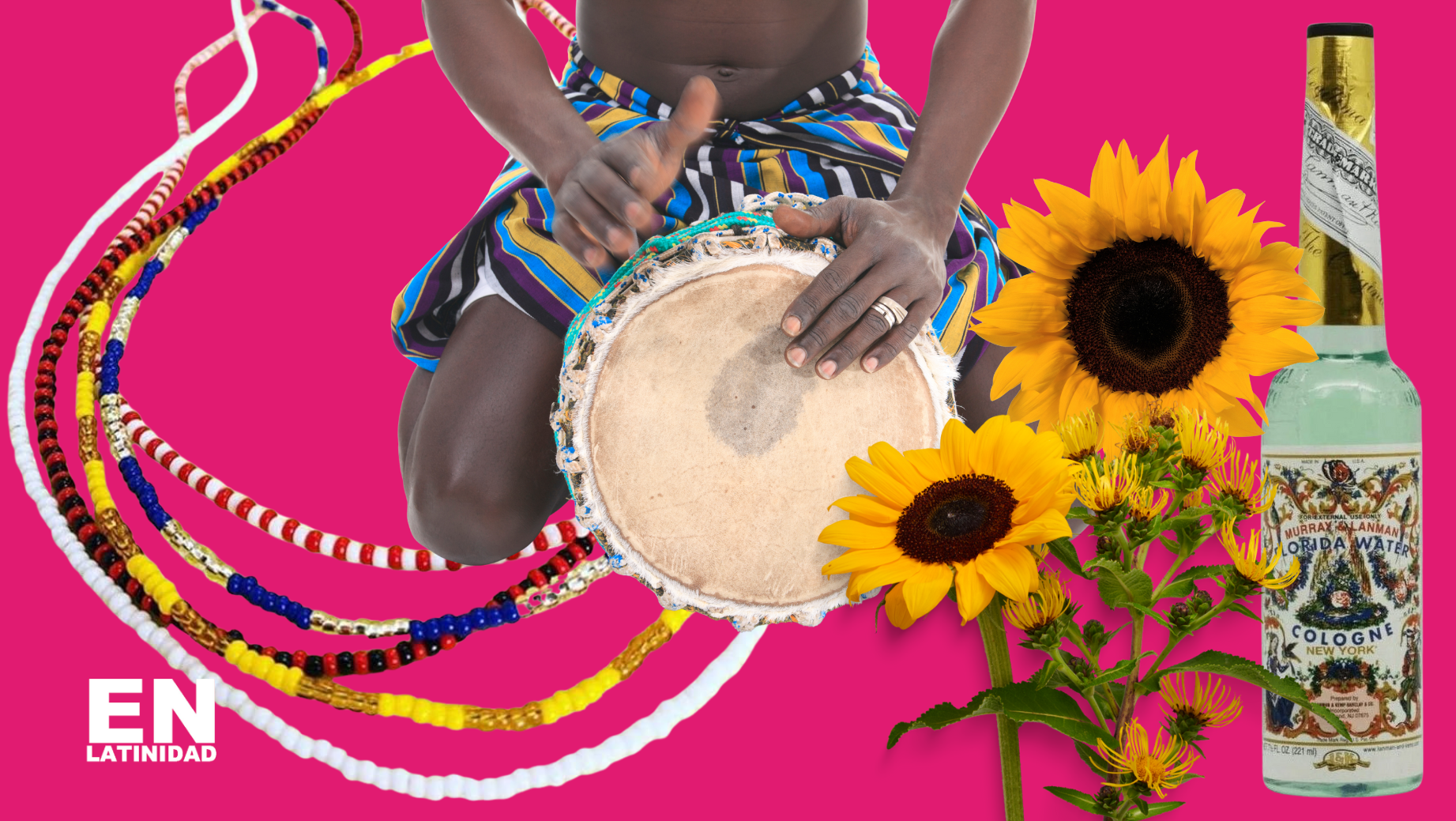
In Palo Mayombe, which developed in Cuba as well, practitioners work with ancestral spirits and the natural world using ritual objects, including the sacred nganga (ritual cauldron), which houses spirits and serves as a conduit for spiritual work. Similarly, the Lucumí tradition retains more of the Yoruba linguistic and ceremonial elements, demonstrating the depth of cultural preservation. These systems are not static; they have evolved, adapted, and expanded across generations, reflecting both African heritage and the unique historical experiences of the Americas.
The Haitian Voodoo tradition, known as Vodou, shares similar Yoruba-derived roots, incorporating elements from Fon and other West African religions alongside Catholic influences. Voodoo played a critical role during the Haitian Revolution, where enslaved peoples’ spiritual cohesion fueled a successful revolt against colonial powers. In Puerto Rico, practitioners follow the 21 Divisiones, a syncretic system that combines Kongo, Yoruba, and Catholic elements. Each division represents a unique spiritual force, allowing followers to address practical, communal, and personal concerns through ritualized guidance and offerings.
In Jamaica and other Caribbean islands, Obeah functions as a practical and spiritual framework, often associated with healing, protection, and divination. Though historically criminalized by colonial authorities, Obeah has endured as a cultural and spiritual touchstone, demonstrating the ingenuity and resilience of African-descended communities.
The preservation of these religions under conditions of chattel slavery, mass African human trafficking, and systemic persecution was an act of extraordinary courage. Enslaved Africans were stripped of language, family, land, and autonomy, yet they held onto their spiritual knowledge. Practicing these religions was an act of resistance: clandestine ceremonies, coded rituals, and secret gatherings were necessary not only for cultural survival but also for emotional and psychological sustenance. The ability of these communities to maintain spiritual identity, often at the risk of brutal punishment or death, is a remarkable testament to human resilience.
Throughout the Americas, the syncretic blending of African spiritual practices with Catholicism and indigenous beliefs was a survival mechanism. This hybridity allowed practitioners to navigate the oppressive social and legal systems imposed by European colonial powers. It also created rich, multifaceted religious systems that continue to influence Latin American music, art, and popular culture today. The rhythmic drum patterns of Santería ceremonies, for instance, have shaped Cuban rumba, salsa, and even contemporary reggaetón percussion, while the iconography and rituals have inspired visual art, theater, and literature.
Modern practitioners continue to preserve these traditions despite continued misunderstanding, stigmatization, and in some cases, legal restrictions. The religions are not relics; they are living, evolving systems of belief that provide spiritual guidance, community cohesion, and a framework for ethical life. Moreover, they offer a lens through which to understand resilience in the face of systemic oppression and the enduring influence of African heritage across the Americas.
The global visibility of Yoruba-derived religions has expanded through the diaspora, academic study, and popular culture. Artists, scholars, and activists increasingly highlight the spiritual, cultural, and political significance of these traditions, while younger generations of Afro-Latinx individuals reclaim their ancestral knowledge as a source of identity and empowerment.
Ultimately, the story of Yoruba religions in Latin America is one of survival, adaptation, and creativity. It is a story of people who refused to be spiritually erased, who preserved their cultural memory in the face of systemic brutality, and who, over centuries, built resilient communities that continue to honor their African roots. In an era where cultural heritage is increasingly commodified, the endurance of these practices reminds us that spirituality, identity, and resistance are inseparable. The Yoruba religions are living proof of the human capacity to maintain dignity, culture, and hope even in the most dehumanizing circumstances.